Banana-based protein smoothies
Creamy, filling and cheap. The easiest place to start if you've never made a smoothie before.
40 creamy, protein-rich smoothie recipes made with groundnuts, soybeans, bananas, yoghurt, tigernuts and other ingredients you can actually find in an African market.
Secure checkout · Download straight after payment
HEADER-BOOK.png
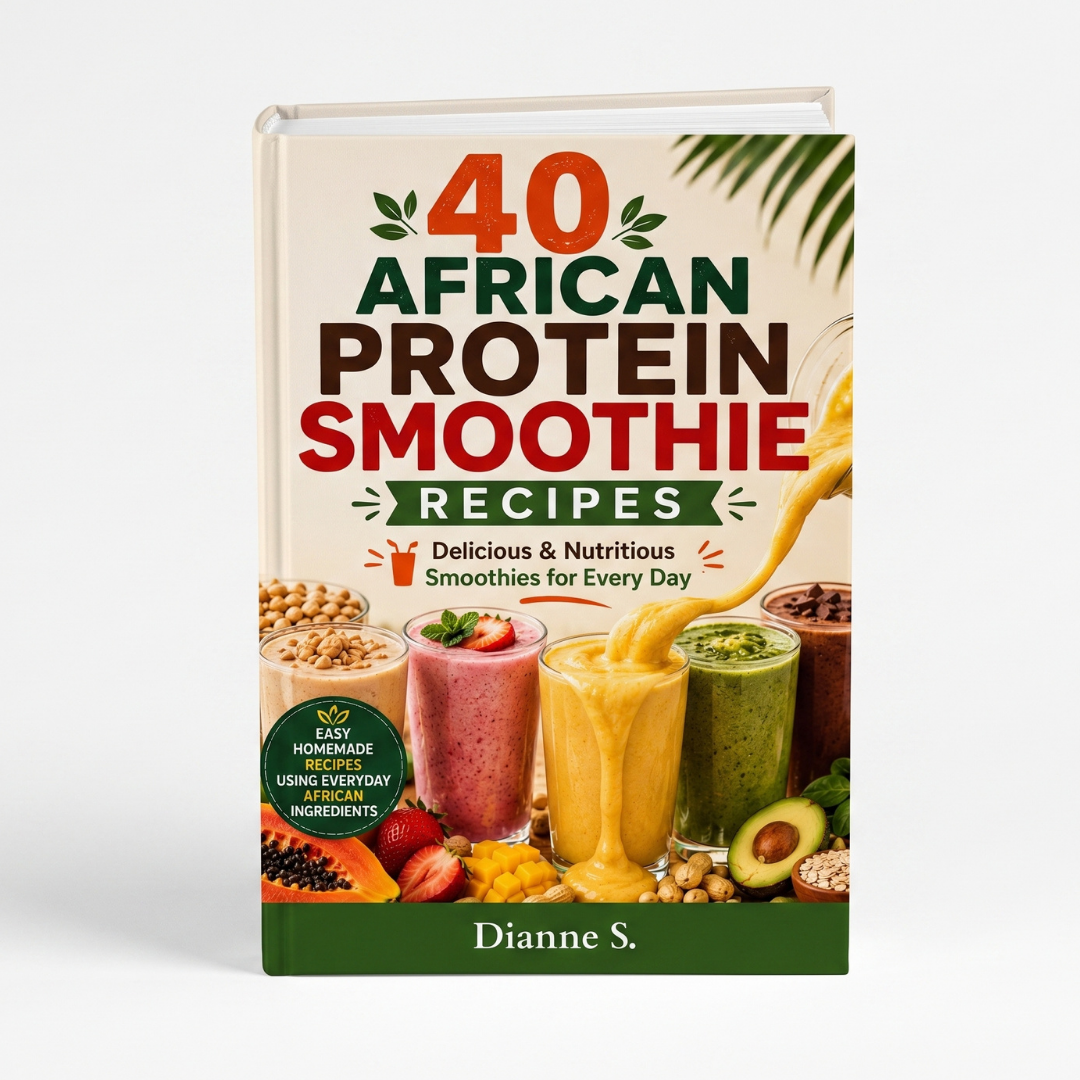
A tub of imported protein powder can cost more than a week of groceries. Meanwhile the protein you need is already sitting in your kitchen — you just haven't been shown what to do with it.
Imported supplements are expensive, hard to find, and often taste like chalk.
You know you should eat better in the morning. You just run out of ideas by Tuesday.
Most smoothie books call for kale, acai and chia seeds. Try finding those at a local market.
40 recipes, grouped into six sections so you can find what you want by whatever ingredient you happen to have.
CUPS-OF-SMOTHIE.jpeg
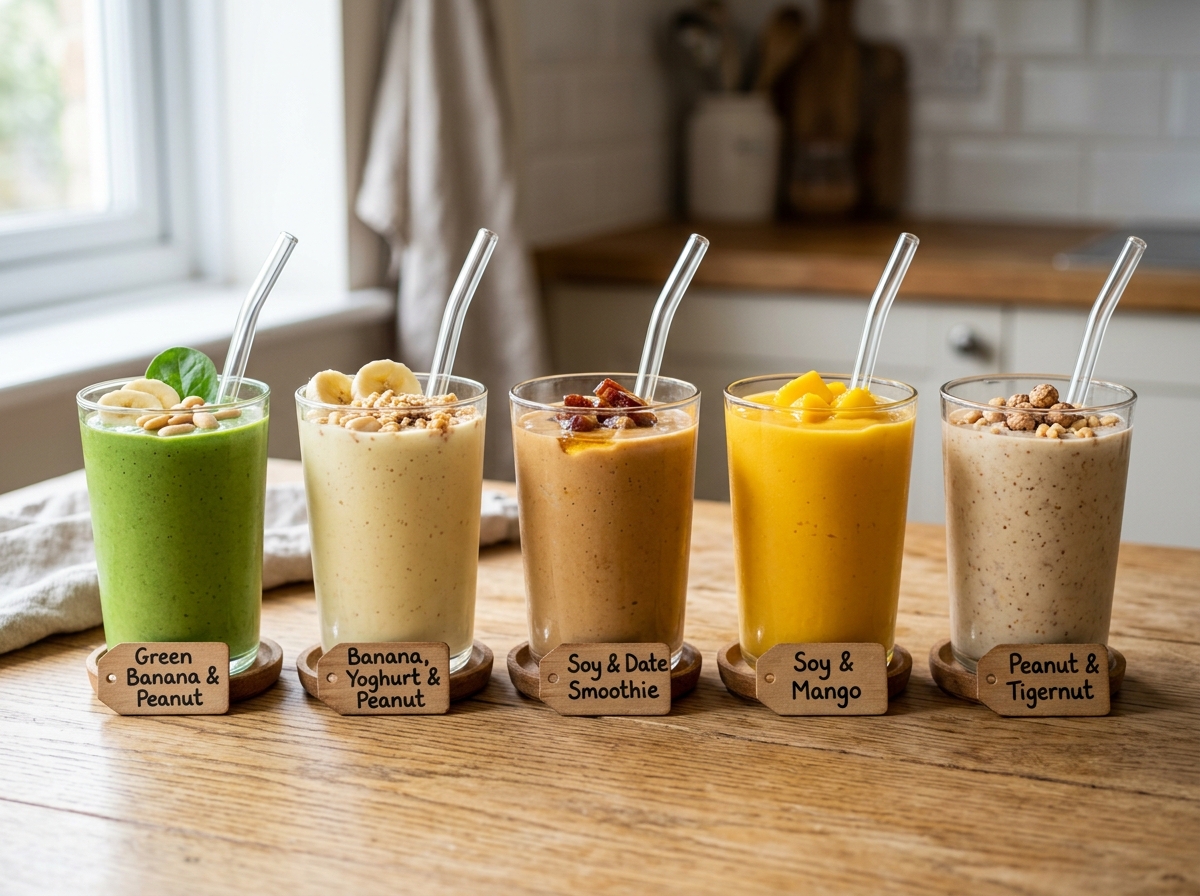
Creamy, filling and cheap. The easiest place to start if you've never made a smoothie before.
Mango, pawpaw and pineapple blends that taste like a treat but still carry real protein.
Rich, satisfying and genuinely high in protein. Groundnuts do more work than most powders.
Soy milk and soybean blends for the highest protein per naira you'll find anywhere in the book.
Thick, smooth and quick. Ideal when you want something ready in three minutes flat.
Avocado and leafy blends for when you want something lighter without losing the protein.
A full week mapped out for you — which smoothie to make each day and what to buy for it. Follow it as written for your first week and you never have to think about breakfast.
GREEN-SMOTHIE.png
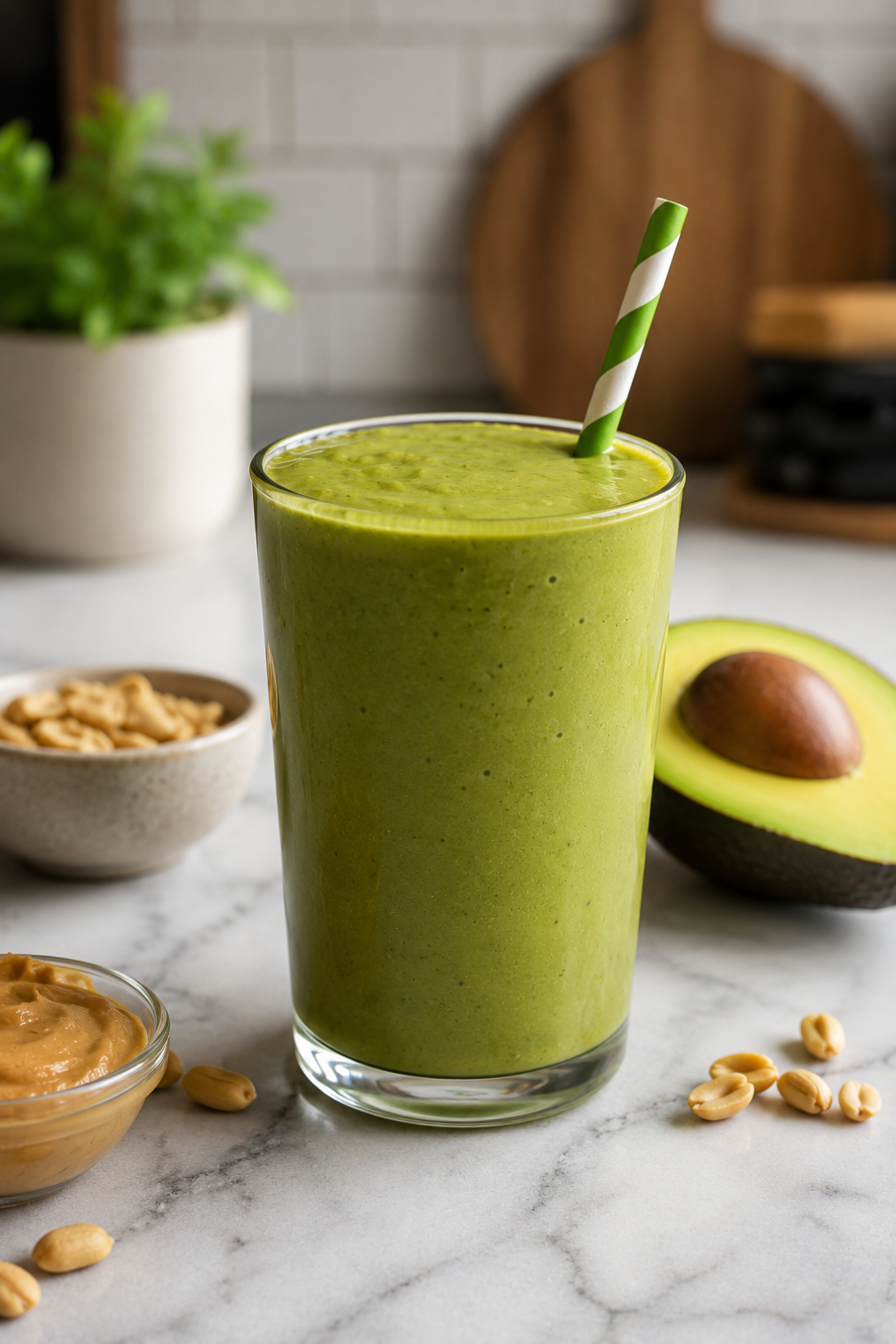
Most smoothie books are written for a supermarket in California. This one wasn't.
Every recipe uses ingredients sold in markets across Nigeria, Ghana, Kenya, South Africa and beyond.
Groundnuts, soybeans, bananas and yoghurt. Nothing in here needs an import shop.
Enough variety that you won't get bored of it by the second week.
Short ingredient lists and clear steps. No technique to learn, no equipment beyond a blender.
Each recipe shows you what you're getting, so you can plan rather than guess.
You don't have to decide anything in week one. Just follow the plan.
AFRICAN-SMOOTHIES.png
GILR.jpeg
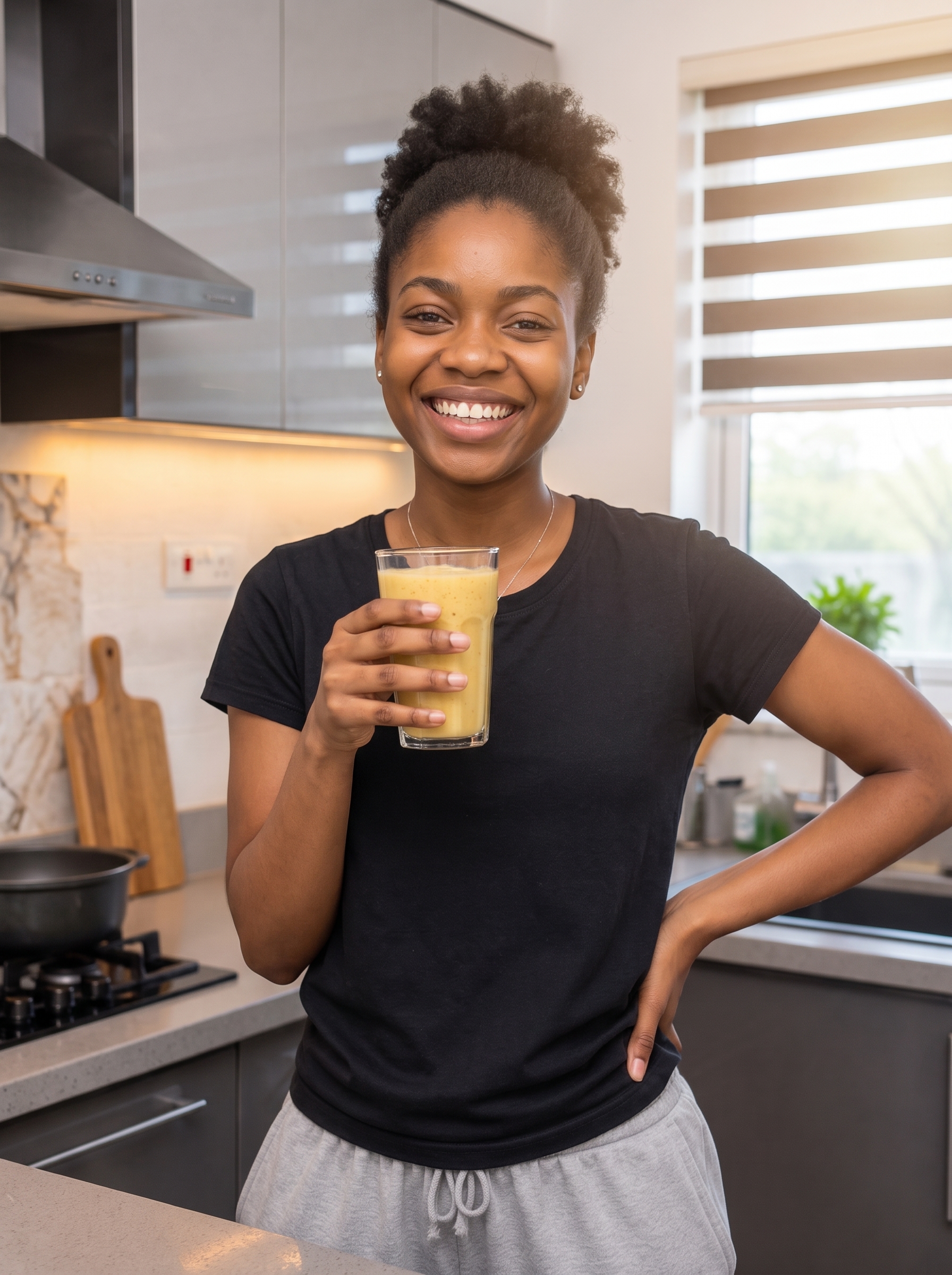
Whether you're in Nigeria, Ghana, Kenya, South Africa, Uganda, Tanzania or anywhere else, the recipes are built to be adapted to whatever your market has that week.
Messages from people who already have the book.
testimonial-1.png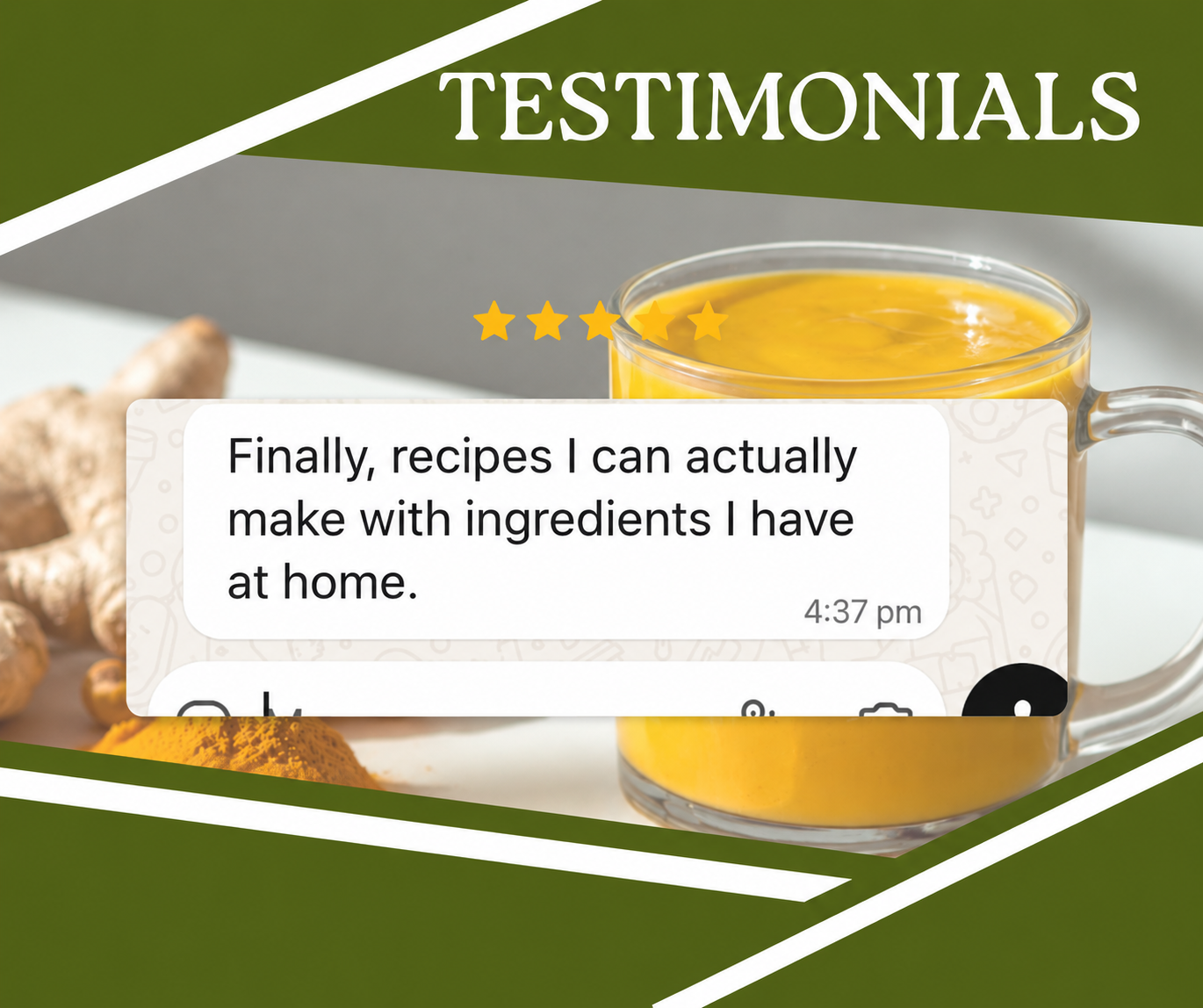
testimonia-2.png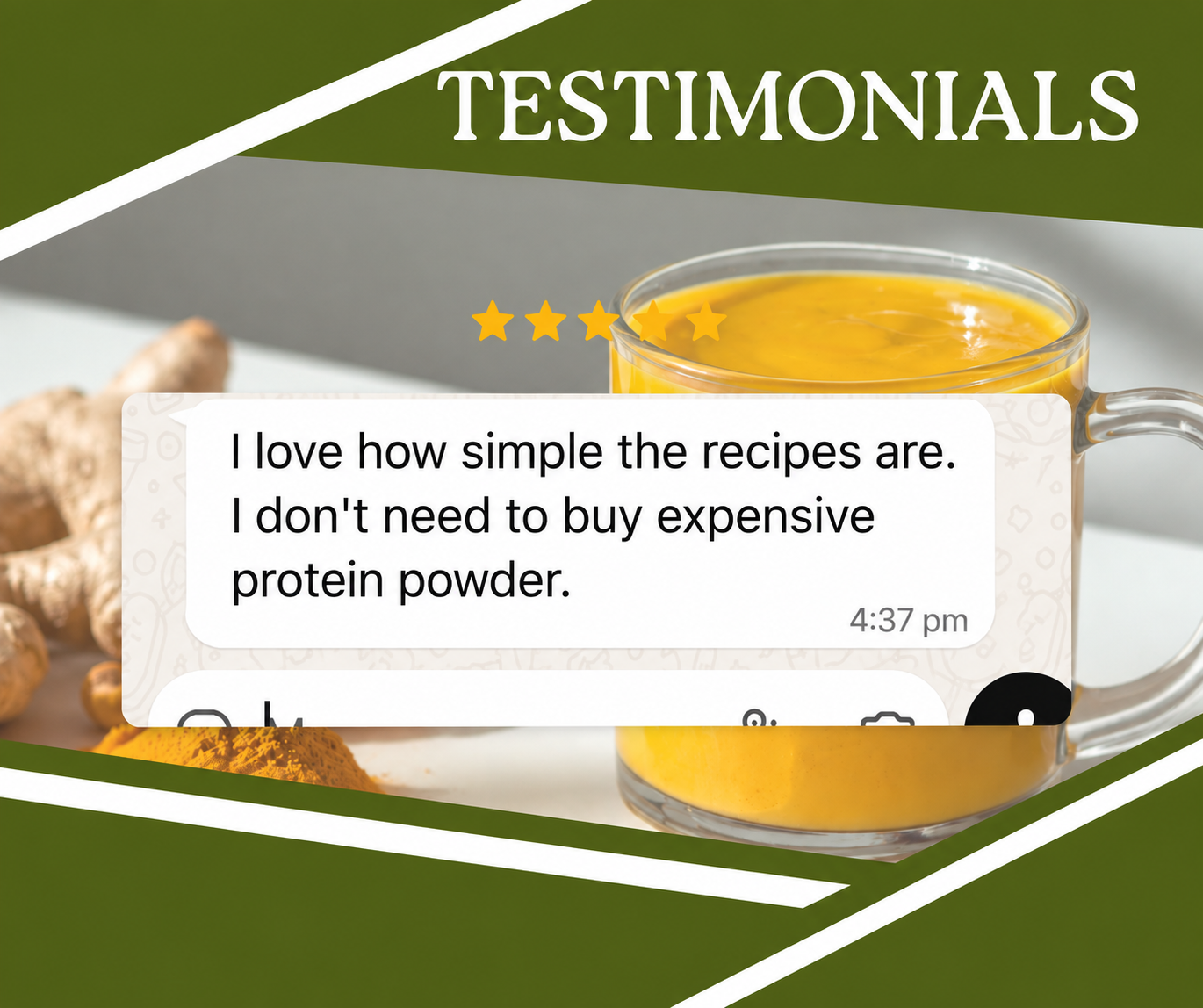
TESTIMONIAL-3.png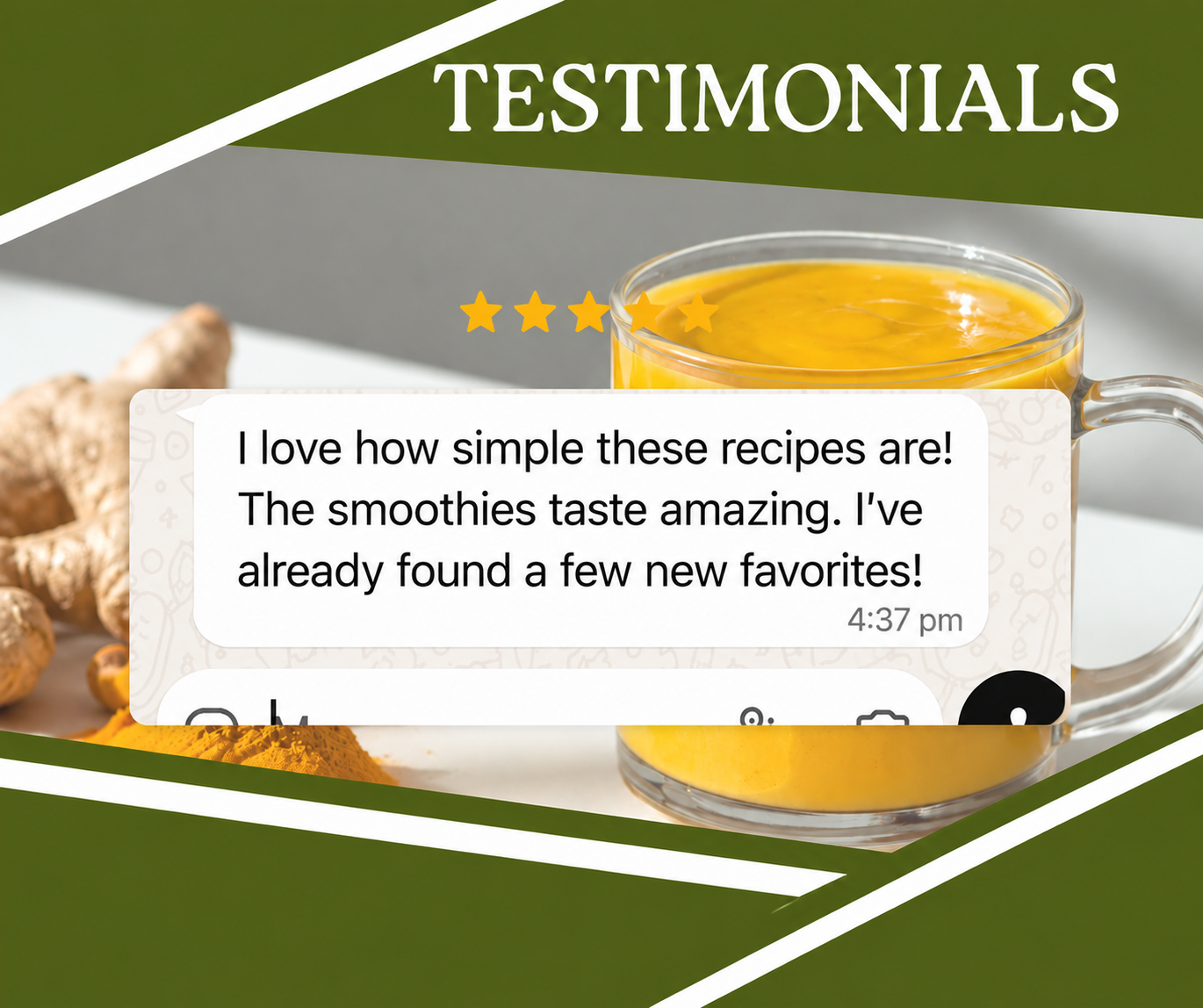
Three steps, and the whole thing takes about a minute.
It takes you straight to the checkout page for the book.
Pay by card or bank transfer on a secure checkout page.
The PDF is yours the moment payment goes through. Download it and keep it forever.
Secure checkout · Instant download · Yours to keep
Straight away. As soon as your payment goes through you're taken to a page where you can download the PDF, and a copy is sent to your email as well.
A PDF. It opens on any phone, tablet, laptop or desktop, and you can print it if you'd rather have it on paper in the kitchen.
Yes. The checkout takes international cards, so you can buy from anywhere.
That's the whole point of the book. Bananas, groundnuts, soybeans, yoghurt, milk, oats, pawpaw, mango, pineapple, avocado, tigernuts and sesame seeds — all of it comes from ordinary markets and shops. Nothing imported.
An ordinary blender is fine. The recipes were written with normal kitchen equipment in mind.
No. Every recipe is a short ingredient list and a few steps. If you can use a blender, you can make anything in this book.
The 70% discount runs for only a short period of time. After that the book returns to ₦6,500.
You open the book, pick a recipe, grab what you have, blend it, and get on with your day.
Secure checkout · Instant download · Yours to keep