Relationship Expert Reveals a Simple Method That Helps African Women Heal From Anxious Attachment After a Painful Breakup — In Just 21 Days
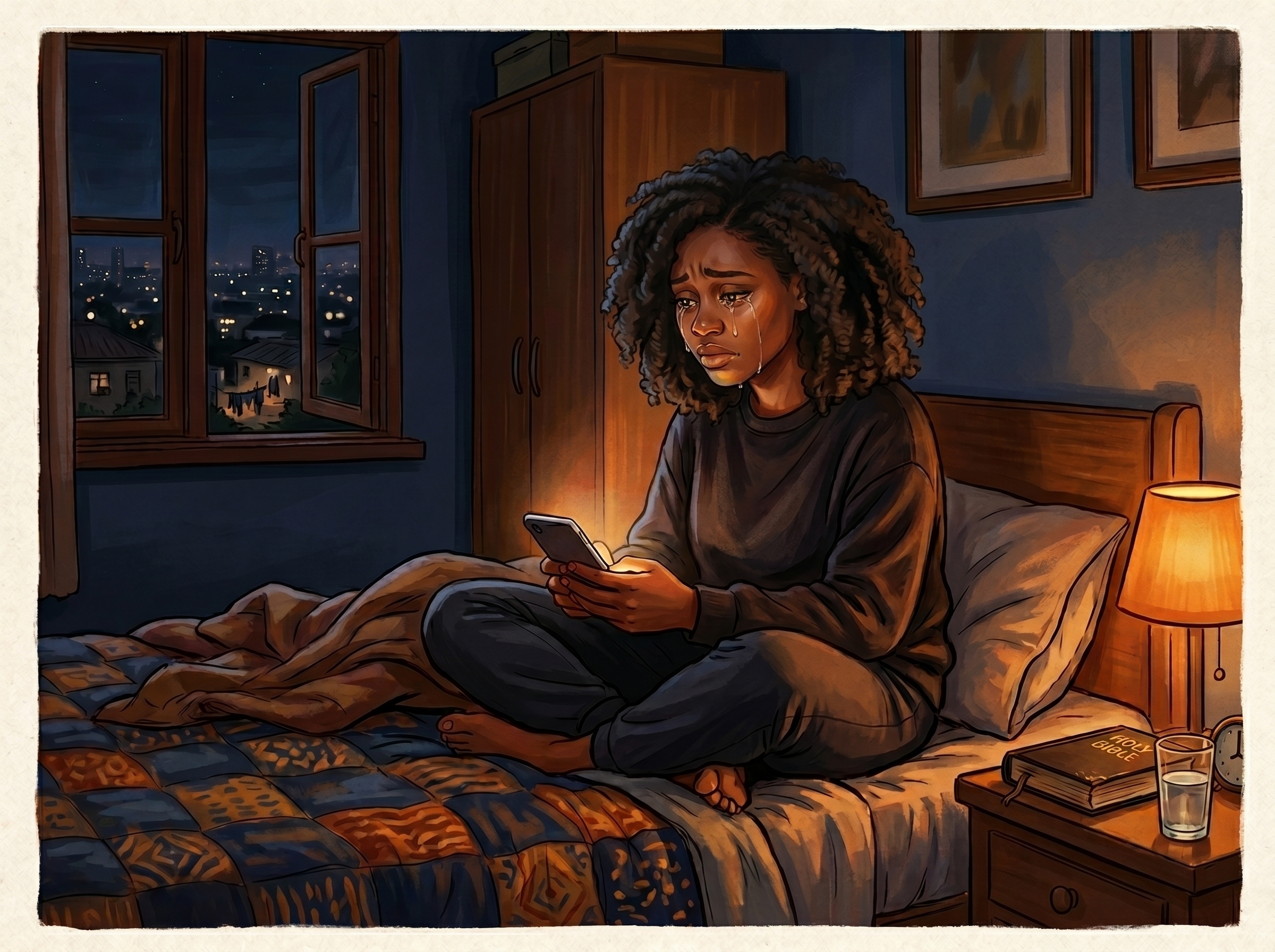
You know he has moved on. You can see it clearly. He is living his life — posting, laughing, existing — like you never happened.
But every single morning, before you even get out of bed, you reach for your phone and open WhatsApp to check his status.
You have replayed the relationship a hundred times, looking for the exact moment you lost him.
You have asked yourself what you did wrong so many times that the question now lives permanently in the back of your mind.
"Was it something I said? Was I too much? Was I not enough?"
You have tried to stay busy. You have tried to pray it away. You have talked it out with your friends until — quietly — they stopped asking how you were doing.
And you are still not over him.
Everyone around you keeps saying the same thing: just move on. But nobody — not one single person — has ever sat down with you and told you exactly how.
You lie awake at 2am with the thoughts louder than the silence. You cry in the bathroom where no one can see. You smile in public and fall apart in private.
And you call it strength.
You are not weak. You are not broken. You are not too emotional, and you are not too much. You are an African woman carrying something heavy, alone, in silence — and calling it strength.
Drop everything you are doing now and listen to every word I'm about to say.
Because I'm about to share with you a simple 21-day method that changed everything for me.
This method has been around for years — quietly passed from one woman to another, in living rooms and late-night conversations, long before anyone gave it a name.
Our elder sisters and aunties carried it. They did not call it "anxious attachment." They simply knew, through their own heartbreak and recovery, that there was a way back to yourself. A deliberate way. A structured way.
And the first time it was laid out for me — step by step, day by day — it changed my life.
Hi, my name is Dianne S.
First thing you should know about me is that I'm NOT a doctor, a therapist, or a relationship coach. I'm just a 29-year-old Nigerian woman from Lagos who saw hell for a long time — and finally found her way out.

Let me tell you exactly what happened to me.
A few years ago I was in a relationship I believed was heading somewhere permanent. He was my person. I gave him everything — my time, my energy, my loyalty, my future plans.
I loved him in a way I had never loved anyone before. The kind of love where you start arranging your whole life around one person without even noticing you are doing it.
Then he relocated.
And slowly, without warning and without explanation, the man I knew began to disappear.
The texts became shorter. The calls became less frequent. The warmth I had always felt from him turned cold — almost overnight. And I did not understand why.
What I did not know then was that I was anxiously attached.
Every time he pulled away, I panicked. I would send long messages I later regretted. I would shrink myself. Change myself. Make myself smaller just to keep him close.
I was more attached to him than he was to me. And somewhere deep down, I think I always knew that. But I could not stop.
It started costing me everything. I could not eat properly. I could not focus at work. My friends noticed I had become a different person — anxious, jumpy, always checking my phone mid-conversation.
I lost my confidence. I, who used to walk into a room and own it, started second-guessing every word I sent him. I felt like I was auditioning daily for a place in his life that used to be mine without question.
Then came the breaking point.
One evening I saw it — proof that he had completely moved on. A new life. A new version of him I was no longer part of. No anger, no closure, no goodbye. Just absence, dressed up as a happy new chapter that did not include me.
I called him. My voice was shaking. "So that's it? After everything? You couldn't even tell me?"
He was calm. Distant. Polite, even. "Dianne, I think you're reading too much into things. We're fine. You're just being emotional."
That sentence broke something in me. "You're just being emotional." As if my love was a malfunction.
When he finally left completely, I was broken in a way I had never experienced before. I checked his WhatsApp last seen every morning before I even got out of bed. I replayed every conversation looking for the moment I lost him. I cried in the bathroom at work so nobody would see.
My friends told me to move on. My family did not even know how bad it had gotten — because in our culture, you do not fall apart over a man. You stay strong. You carry it. You pretend.
So I carried it. Alone. In silence. And I told myself the silence meant I was healing.
It did not.
At my lowest point, my elder sister Bumi sat with me at home in Lagos.
Bumi is 40. She has spent years studying relationships — not from textbooks, but from real life. Her own heartbreak, her own recovery, and years of quietly walking other women through theirs. She is the kind of woman who does not give you sympathy when what you actually need is truth.
That evening, she did not tell me to pray harder, stay busy, or just move on. She looked at me and said something I will never forget:
"You are not falling apart because you loved him too much. You are falling apart because you never learned how to love yourself without needing him to confirm it. That is not a character flaw. It is a pattern. And patterns can be broken."
But before she gave me her method, I want you to know — I had already tried everything else.
I talked to my friends. Over and over, until I could see in their eyes that they had run out of things to say, and I had run out of energy to keep explaining a pain they could not fully understand. It didn't work — because talking about it just kept the wound open.
I blocked him on everything. Then, quietly, when nobody was watching, I unblocked him just to check if he had noticed. He had not. It didn't work — because blocking him did nothing to block him out of my mind.
I downloaded a dating app. Every match felt hollow. Every conversation reminded me of him. I deleted the app within a week. It didn't work — because you cannot fill an empty space with people you do not want.
I threw myself into work. It helped — right up until 10pm, when the office got quiet and the thoughts came rushing back louder than before. It didn't work — because distraction is not the same as healing.
I watched the YouTube videos and read the heartbreak blogs. The advice was general, surface-level, and clearly written for someone who did not grow up in an African home where you are not allowed to fall apart. It didn't work — because none of it was built for me.
I prayed and I fasted. I found real peace in those moments — and then I picked up my phone and checked his status again before I had even finished saying amen. It didn't work — because I was asking God to remove a pattern I was still feeding every single day.
So when Bumi sat me down that evening, I was exhausted. I had nothing left.
She leaned in and said: "Stop trying to outrun it. You cannot block, busy, or pray your way out of a pattern you don't understand. What you need is not more willpower. You need a structure. Twenty-one days. One honest truth and one small action each day. That's all."
Then she gave me the framework. One honest lesson per day. One practical action per day. Starting with the hardest truth, and ending with a woman who had genuinely reclaimed herself.
I'll be honest — I didn't believe it at first because it was stupidly simple. One lesson? One small action? After months of agony, how could something this plain undo something this deep?
But I had tried everything complicated. So I tried something simple.
The first few days were hard. Day 1, Day 2, Day 3 — nothing shifted. I still woke up and reached for my phone. I still felt the ache. The doubt started building. "This isn't working either. Of course it isn't."
And then, on Day 6, something happened.
I went an entire morning without checking his WhatsApp status. I didn't even plan it. I just got out of bed, made my tea, and halfway through I realised — I hadn't reached for him. Not once.
I felt something I had not felt in months: a quiet, fragile sense of my own presence. Like a small light coming back on in a room that had been dark for a long time. I actually pressed my hand to my chest and breathed. I was still here. I existed without him.
By Day 12, the replaying stopped. The endless loop of "what did I do wrong" finally began to slow. My mind, for the first time, felt like mine again.
Then came the real test.
My friend Victor — who had watched me fall apart for months — saw me one afternoon. He stopped, looked at me almost confused, and said:
"I don't know what happened to you, but you are completely different. You seem… free."
I laughed. Then I nearly cried. Because he had named it before I had fully named it myself.
By Day 21, I woke up and he was not my first thought. That was the morning I knew it had worked.
And here is the part that convinced me it wasn't just me. Bumi had quietly shared versions of this with other women over the years.
There was Amaka, a teacher from Enugu, who had cried through an entire wedding because the groom looked like her ex. Six weeks after the framework, she told Bumi she had stopped checking his page entirely. "I forgot he existed for three whole days," she said, stunned.
There was Joy, a young accountant in Abuja, who had been stuck for almost a year. She messaged Bumi after Day 21: "For the first time, I'm excited about my own life again — not his."
And there was Zainab, who had nearly gone back to a man who treated her like an option. The framework gave her the clarity to walk away for good. "It didn't just heal me," she said. "It protected me."
That was when I understood. This was not luck. This was a structure that worked — for me, and for women just like me.
I still think of him sometimes. But I no longer check his profile. I no longer wait for a text that will never come. I no longer define my worth by whether or not he chose me.
I chose myself. And that changed everything.
Why I turned it into a guide.
After I healed, women started coming to me. Friends of friends. Strangers who had heard my story. All asking the same desperate question I once asked: "How did you actually do it?"
I tried to walk each one through it personally. But there were too many. And every woman deserved the full structure, not a rushed voice note at midnight.
So I took everything Bumi gave me — the framework, the daily structure, the tools, the honest truths — and I built it into something specifically designed for us. For the African woman who has been carrying this alone and calling it strength.
I put everything — the full 21-day system, the exact daily lessons, the practical actions, the contact detox, what to avoid, and how to know it's working — inside one simple guide.
Introducing…
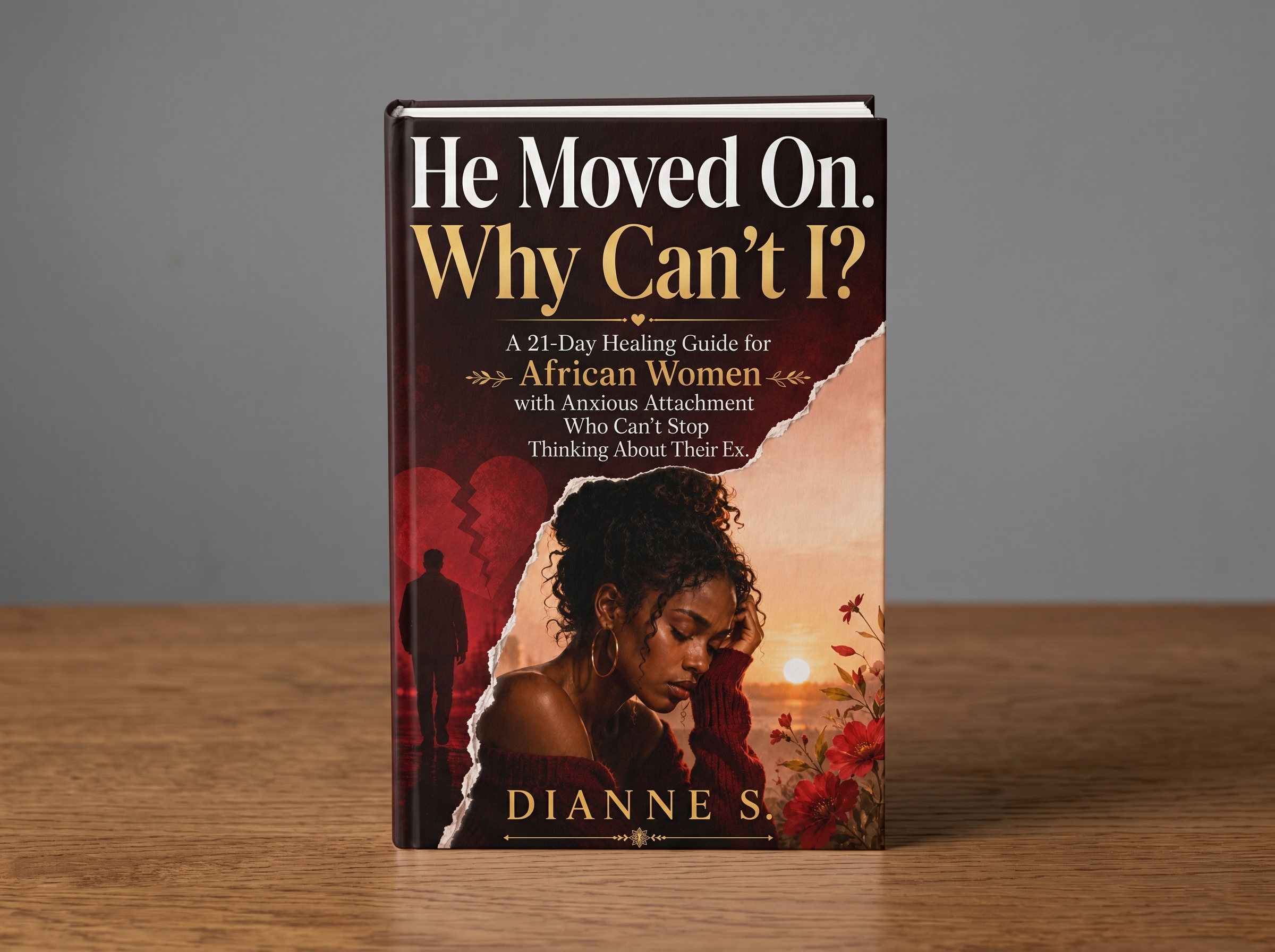
He Moved On. Why Can't I?
A 21-Day Healing Guide for African Women with Anxious Attachment Who Can't Stop Thinking About Their Ex
This is not a general self-help book. It is not a collection of motivational quotes. It is not advice written by someone who has never lived inside this specific, suffocating pain.
This is a structured, honest, day-by-day guide built specifically for the African woman who is still emotionally tethered to someone who has already moved on — and who is ready, finally, to find her way free.
Twenty-one days. One focused lesson per day. One practical action per day. Nothing overwhelming. Nothing vague. Just clear daily steps that move you — steadily and genuinely — from where you are right now to somewhere you can breathe again.
Inside this e-guide, you'll discover:
- Why you are still stuck even though you know it is over — and the real reason it has nothing to do with weakness. — Pg. 3
The explanation you have been waiting for. Finally understand what is actually happening in your mind, and why willpower alone has never been enough to set you free. - What anxious attachment actually is — and why some women love harder than they are loved back. — Pg. 7
Where this pattern comes from, why you developed it, and why it has nothing to do with how lovable you are. This section alone will change the way you see yourself. - The complete 21-day daily action system — one honest lesson and one practical action for every single day. — Pg. 12
Open it every morning. Read. Act. Move forward. Simple, structured, designed so you never wake up not knowing what to do next. - The contact detox protocol — why simply blocking him is not enough, and what to do instead. — Pg. 19
There is a right way and a wrong way to detach. Most women do it the wrong way and wonder why nothing changes. This gives you the correct method. - The identity reclamation process — how to find yourself again when you built your world around someone who left. — Pg. 28
Who were you before he became everything? This section helps you remember — and rebuild. - How to recognise an emotionally unavailable man — before you are already attached. — Pg. 35
The early signs you missed this time. Learn to see them clearly so you never find yourself in this same position again. - The closing chapter exercise — how to end this relationship in your own mind with intention, dignity, and finality. — Pg. 41
Not every relationship gets a proper ending. This exercise gives you one — on your own terms.
And the best part? You don't need to pour out your story to a stranger, or spend a fortune on therapy you can't afford, or wait years hoping time alone will fix it. It's the same simple method that worked for me, and has now worked for over 300+ African women I've quietly shared it with.
Already Convinced? Take Me Straight To The Offer →Real Women. Real Testimonials.
Share Your Experience
Just So You Know… Putting This Guide in an Easy-To-Read Format Cost Me Over N120,000.
This wasn't thrown together in an afternoon. To turn what Bumi gave me into a proper guide for African women, I had to invest real money:
- 💰 A professional writer to help shape the lessons into clear daily steps.
- 💰 An editor to make sure every word actually spoke to women like us.
- 💰 Research into attachment patterns and recovery, adapted for our culture.
- 💰 Testing the 21-day system privately with real women before releasing it.
- 💰 Design, the bonus tools, and the website you're reading this on right now.
So a fair price for all of this would honestly be much higher. But here's the thing…
I'm not going to charge you N120,000.
I won't even charge you N60,000.
Not even N30,000.
In fact, you won't even pay the regular price of N25,000.
A fair price for me would be just N25,000… but today, right now, on this page:
N25,000
N8,200
only — for the full guide PLUS all 5 bonus tools.
This Discounted Offer is ONLY for the First 30 Buyers, so Hurry!
Click Here To Get "He Moved On. Why Can't I?" NOW!WAIT! I Have FREE Gifts For You…
If you're among the first 30 buyers, you'll also get these five powerful bonus tools alongside your guide — completely FREE. (TODAY ONLY)
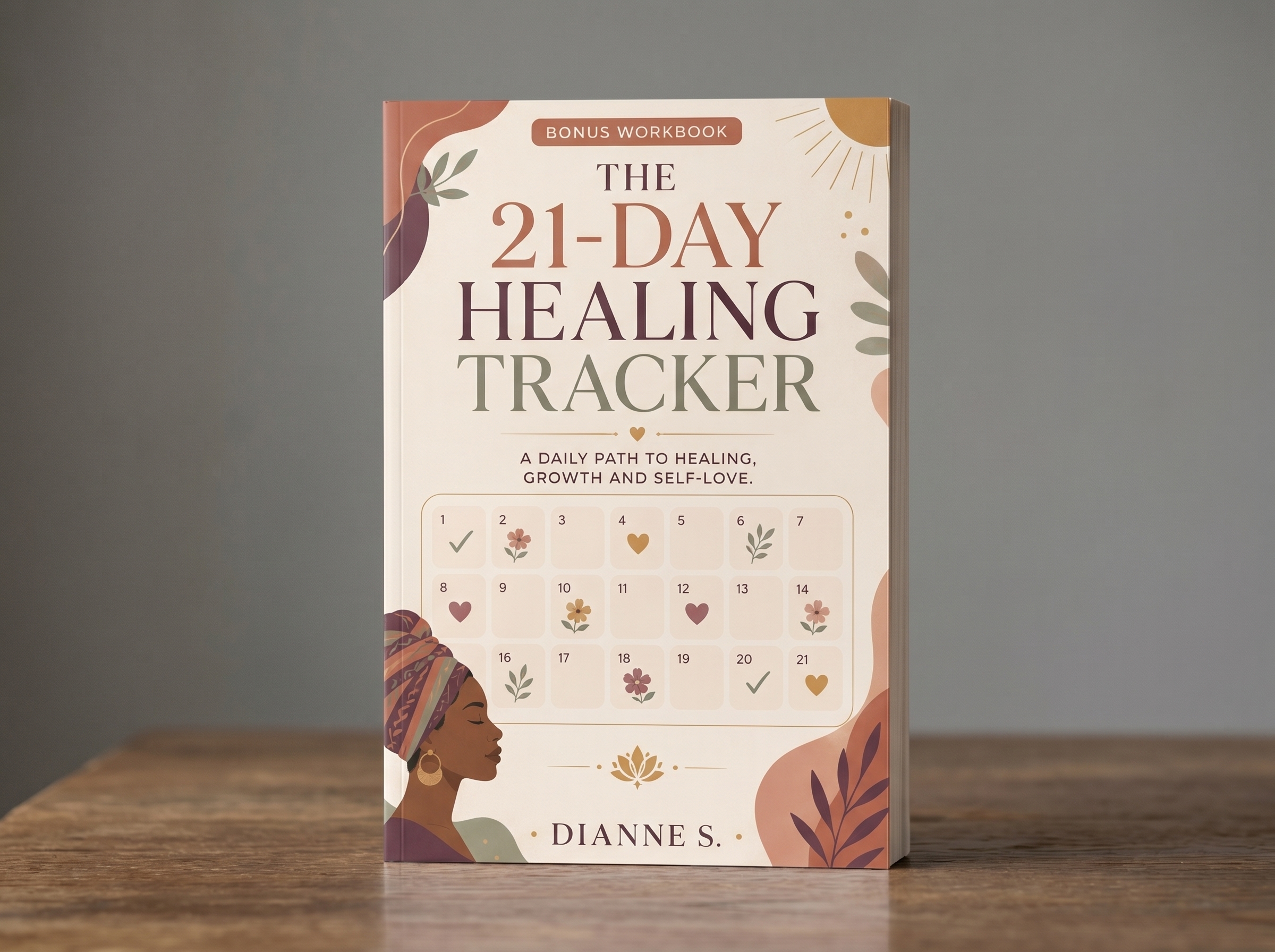
A simple daily checklist you tick off each morning to mark your progress, track your wins, and build the momentum that keeps you moving forward even on the hard days.
Estimated value: N5,000
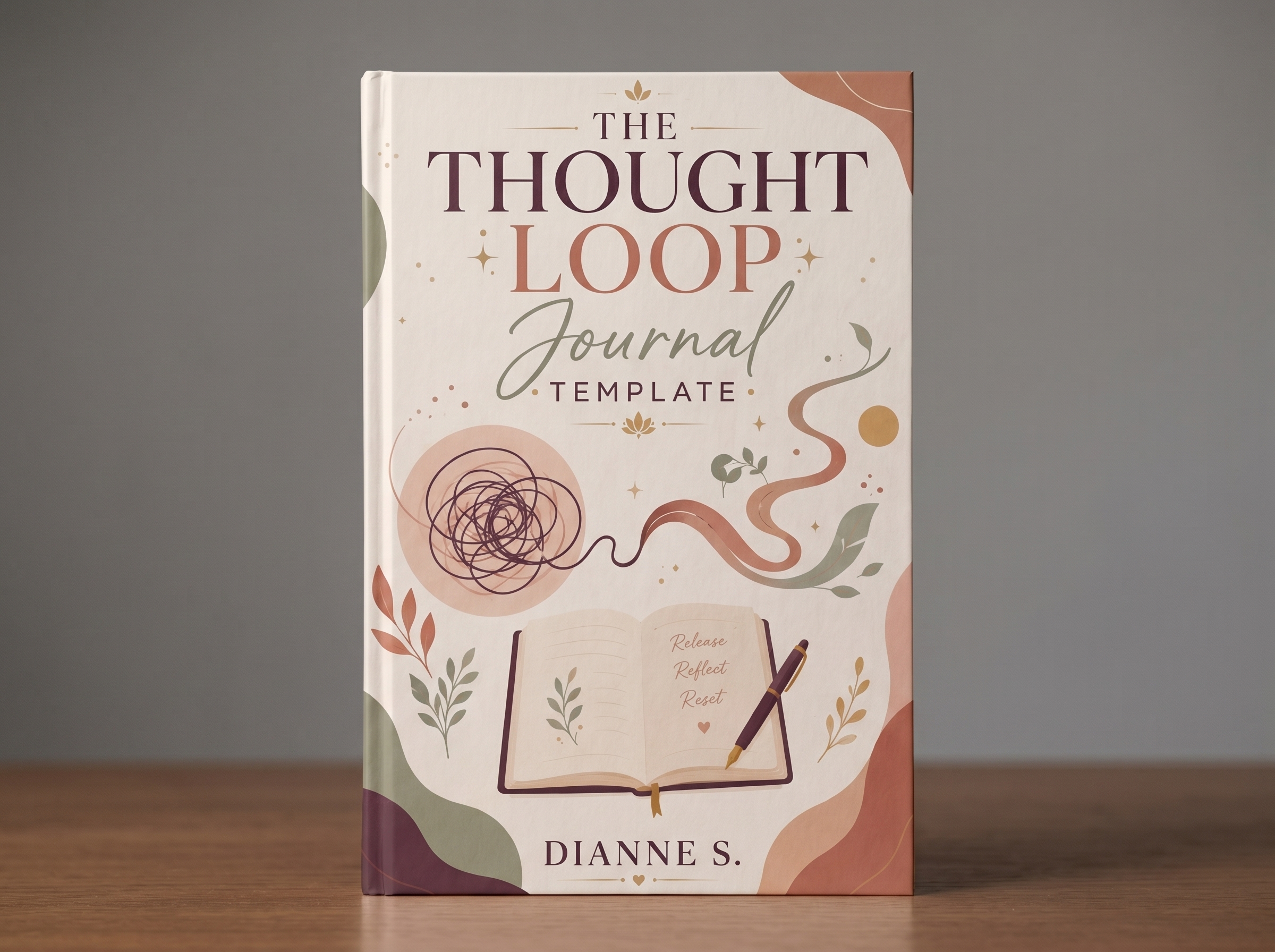
Structured daily journaling prompts that help you process your grief properly — so you stop recycling the same painful thoughts and start actually moving through them.
Estimated value: N5,000
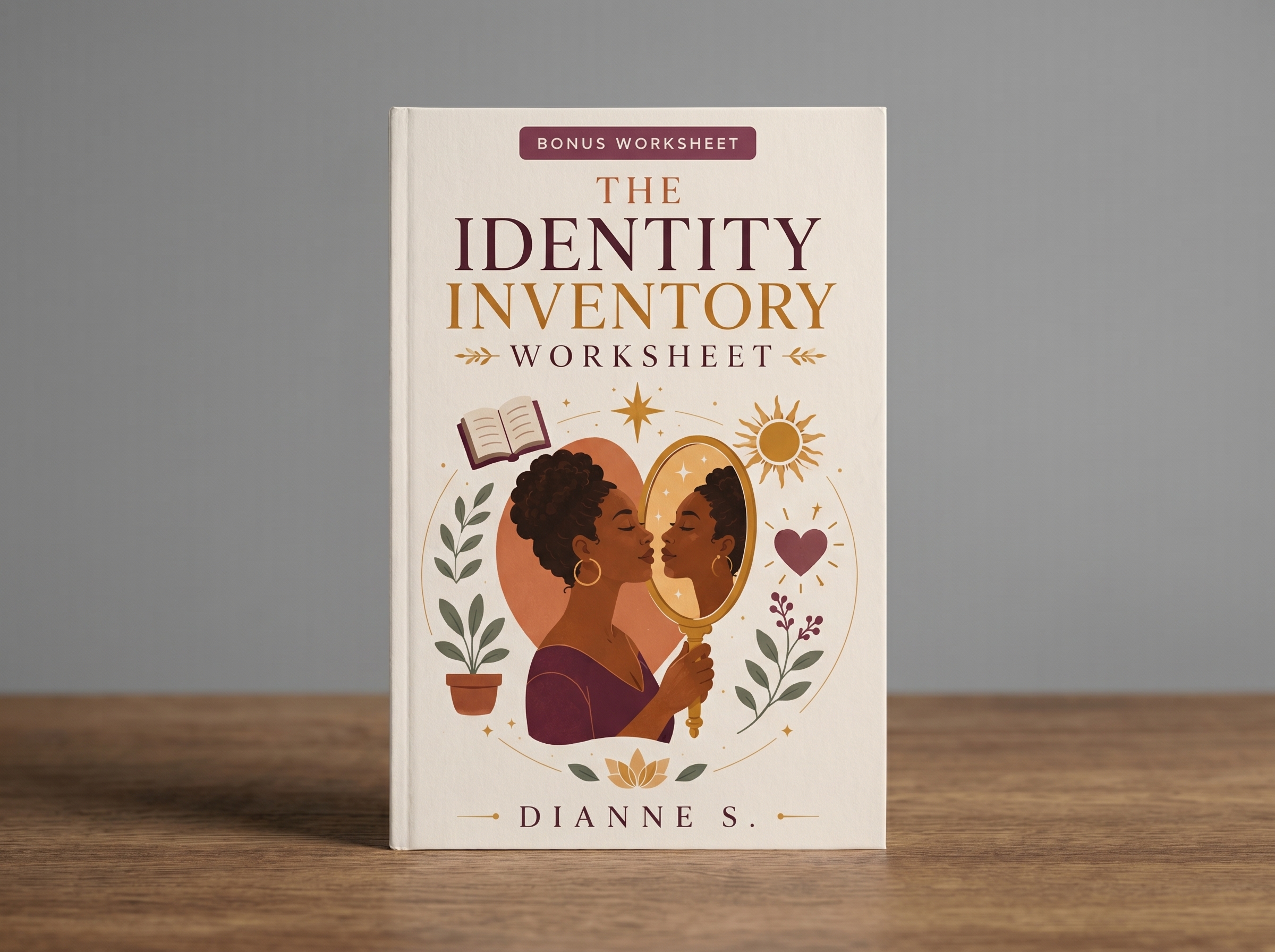
A guided self-discovery exercise that helps you rediscover your values, your strengths, and your goals completely outside of this relationship. A powerful reminder of who you are when you are not defined by who left.
Estimated value: N5,000
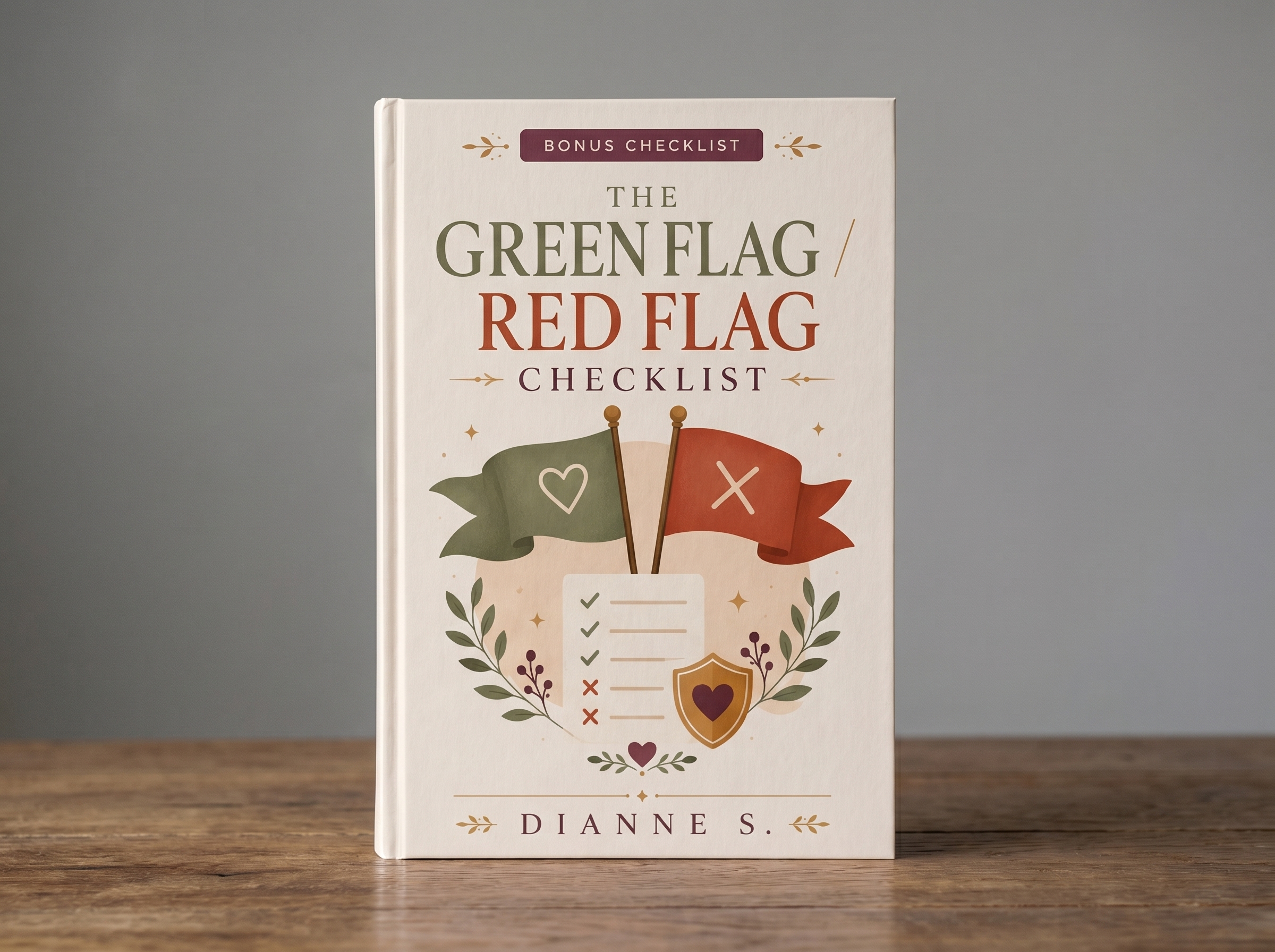
A practical reference tool that helps you recognise secure versus anxious attachment dynamics early in your next relationship — before you are already deeply attached.
Estimated value: N5,000
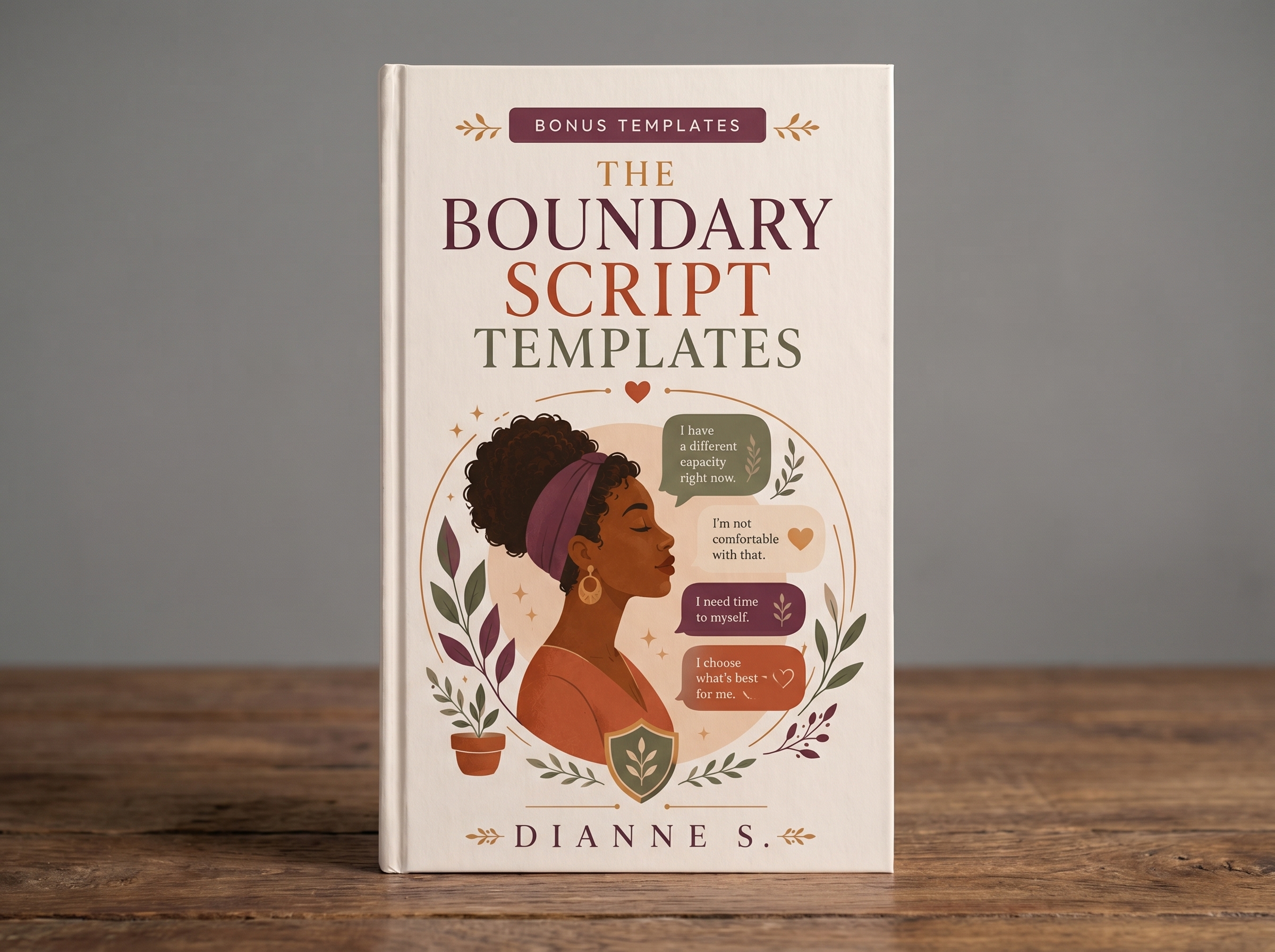
Exact words and phrases for the three moments that can derail your healing: if he comes back, if mutual friends bring him up, or if outside interference threatens your progress.
Estimated value: N5,000
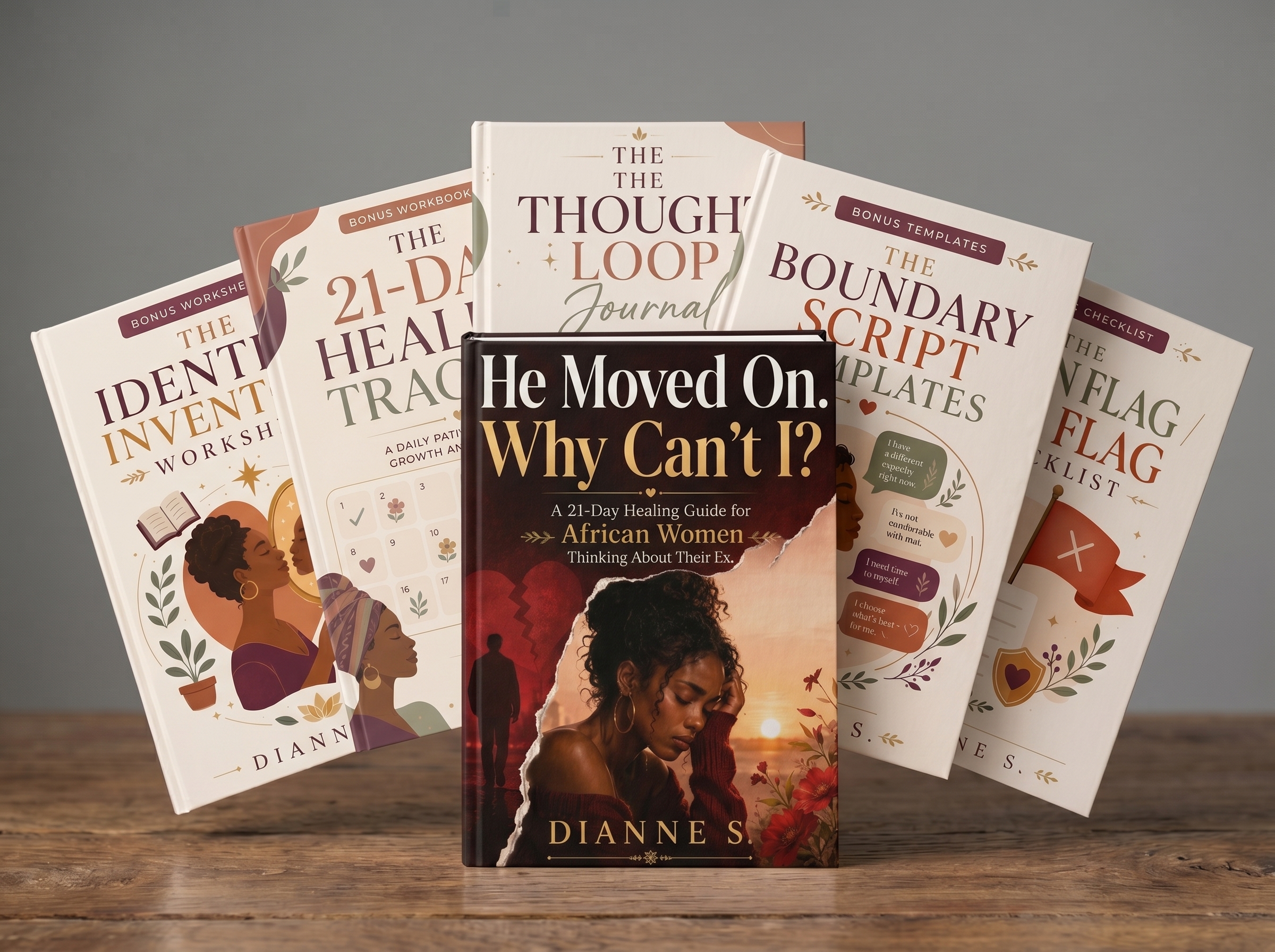
Total value of everything: N145,000 — yours today for just N8,200.
Click Here To Get "He Moved On. Why Can't I?" NOW! + Bonuses23 women have taken advantage of this discount already… and only 7 spots are left.
Bear in mind, you're not the only one viewing this website right now.
Secure My Copy Before The Price Goes Up!Still feeling unsure? I totally understand.
Which is why I'm making you a bold, risk-free promise.
I want you to feel the difference this guide makes — not just read it. That's why I'm offering a full 30-day money-back guarantee.
Go through the 21 days. Do the work. Use the tools. If you complete the programme and feel no shift — no lighter mornings, no quieter mind, no sense of yourself returning — I will refund every single kobo.
No argument. No questions. No hard feelings.
The only real risk here is staying exactly where you are right now.
YES — I'm Ready To Heal. Get Instant AccessMore Women Who Found Their Way Free.
You have two choices right now.
The clock is ticking.